

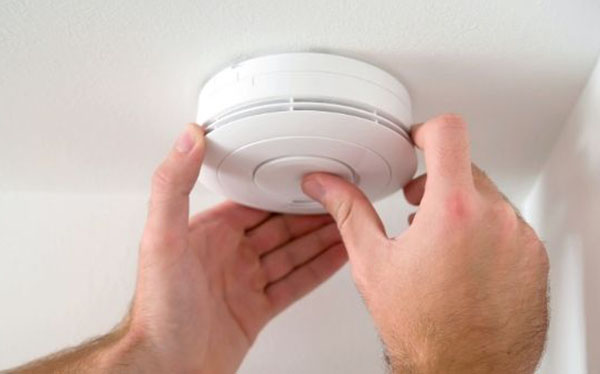
Co alarm
New data has revealed that more than one in four carbon monoxide (CO) safety call-outs attended by SGN engineers are linked to alarm faults, flat batteries or expired devices, highlighting the importance of regularly testing household CO alarms.
As part of Carbon Monoxide Awareness Week 2026, SGN is encouraging households to check their alarms are working correctly, have not expired and, where applicable, contain functioning batteries.
The figures come from our data on the Carbon Monoxide Research and Analytics (CORA) platform, which is supported by Great Britain's gas distribution networks, including SGN. It shows that 26% of CO safety call-outs attended by SGN engineers in 2025 were identified as false alarms caused by alarm failures or battery issues.
According to CORA data:
- In 2025, SGN attended 20,210 CO incidents across its southern network, with 15,522 (77%) either suspected or confirmed to involve the presence of carbon monoxide.
- In Scotland, SGN attended 9,809 incidents during the same period, with 6,539 (67%) either suspected or confirmed to involve CO.
The findings follow previous research showing many households fail to test their CO alarms regularly, despite the potentially life-threatening consequences of a faulty device.
CO is often referred to as the “silent killer” because it cannot be seen, smelt, heard or tasted. Early symptoms, including headaches, dizziness, nausea and breathlessness, can easily be mistaken for illnesses such as flu, food poisoning or fatigue. In more serious cases, exposure can lead to loss of consciousness and death.
Dan Edwards, Social Impact Programme Lead at SGN, said: “Carbon monoxide remains a serious threat in homes across the UK, yet something as simple as regularly testing an alarm can help save lives. While having a CO alarm is essential, it’s equally important to make sure it’s working properly by testing it regularly, checking expiry dates and replacing the unit when it reaches the end of its lifespan.”
“We also encourage anyone with gas appliances to have them checked annually by a Gas Safe registered engineer. Taking these simple precautions can help protect you and your loved ones from the dangers of CO poisoning.”
SGN recommends fitting an audible CO alarm that complies with BS EN 50291 and regularly checking it remains operational. CO alarms are widely available from DIY retailers, supermarkets and reputable online suppliers. It’s important to remember that a smoke alarm does not detect carbon monoxide.
If you suspect CO is present in your property:
- Open doors and windows.
- Move everyone into fresh air immediately.
- Call the National Gas Emergency Service on 0800 111 999.
For more information about carbon monoxide safety, visit sgn.co.uk/CO